

Ask the expert: Understanding bleeding and clotting disorders
June 22, 2026
What to watch for, when to seek care, and how specialized treatment can make a difference.
Bleeding and clotting disorders affect more people than many realize, yet symptoms are often overlooked or misunderstood. From frequent nosebleeds to unexplained blood clots, knowing what to watch for can make a critical difference in getting the right care early.
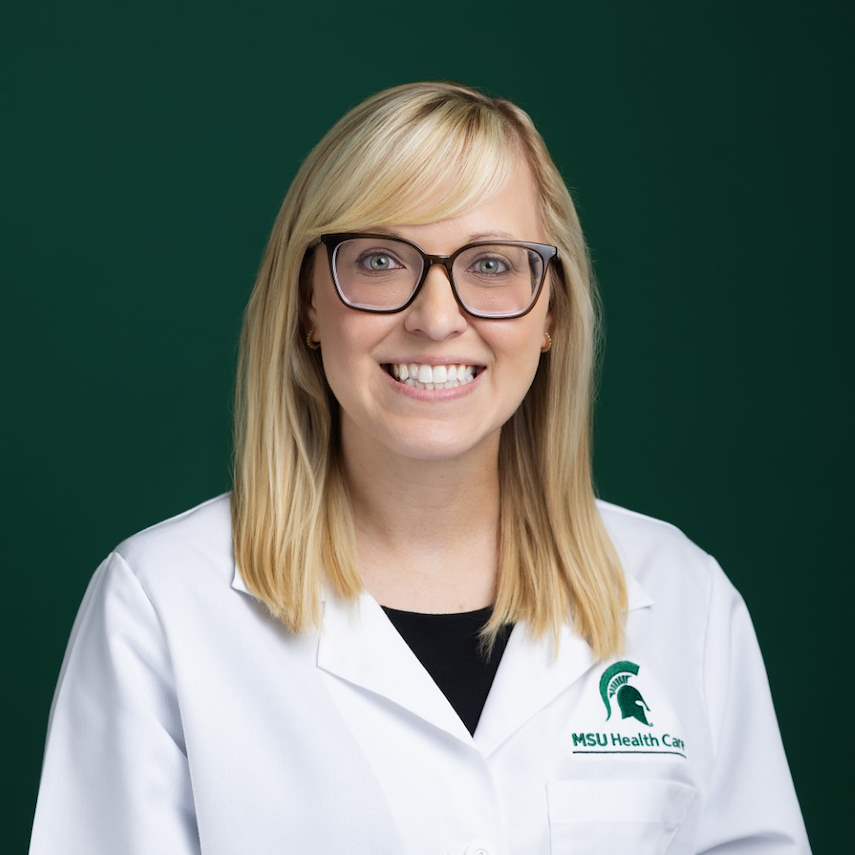
Megan Burcham, M.D., co-director of the MSU Health Care Center for Bleeding and Clotting Disorders, shares what patients, families, and providers should know—from common warning signs to when it’s time to seek specialized care. She also discusses how comprehensive, team-based treatment is improving outcomes and what’s ahead for the future of care.
Many people have heard of hemophilia, but fewer understand the full range of bleeding and clotting disorders. What conditions does your clinic diagnose and treat, and what are some early signs or symptoms people shouldn’t ignore?
Our clinic specializes in diagnosing and treating conditions including hemophilia but also Von Willebrand disease, platelet disorders, thrombophilia (clotting disorders), inherited factor disorders and even bleeding disorders of an unknown cause. One of the earliest signs of a bleeding disorder in girls is often heavy or prolonged periods. This can lead to anemia if not managed appropriately. Frequently occurring or prolonged nosebleeds are also an easily ignored symptom that might be a result of a bleeding disorder. Infants who are not yet walking or cruising along furniture should not have bruises and should be evaluated.
Bleeding and clotting disorders can go unrecognized. What are some common misconceptions you hear, and how can they delay diagnosis or care?
One misconception is that hemophilia only affects males. We now know that female carriers of hemophilia may be affected themselves and have symptoms from this in addition to being able to pass on the gene to their children. Many women have gone years with bleeding symptoms and no treatment because they were told they are just a carrier of hemophilia. Anyone with a family history of hemophilia can be seen in our clinic and tested.
When should an individual, or their primary care provider, consider a referral to a specialized clinic like yours?
We can complete an evaluation for a patient any time they experience an unexpected blood clot, bleeding more than expected during a procedure, or easy bruising or bleeding. We will also complete a work-up for anyone with a family history of a bleeding or clotting disorder that they may also have inherited. We have a dedicated Women and Girls Blood Disorders Clinic and patients may be seen for heavy periods, excessive bleeding during pregnancy or childbirth, as well as blood clots during pregnancy or after childbirth and partner with an OB/GYN for this clinic.
What does comprehensive care look like at the MSU Health Care Center for Bleeding and Clotting Disorders, beyond diagnosis and medication?
Our clinic is multi-disciplinary and looks to care for the whole patient, not just address their diagnosis with medication. Our team includes a physical therapist, dietitian, genetic counselor, social workers, researchers and nurses. We take part in nationwide studies for bleeding and clotting disorders and look to connect patients with the most up to date care that is right for them.
What excites you most about the future of care for patients with bleeding and clotting disorders at MSU Health Care?
There are exciting research studies being performed. Care for patients is being improved, including new medications to treat bleeding and clotting disorders and improve quality of life. We are also excited at MSU to expand care for our patients, partnering with specialists and providing care at several locations across the state as well as providing telehealth to make care more accessible for our patients. We host outreach clinics in Mount Pleasant, Jackson, Grand Rapids and Marquette for ease of access across the state.
To learn more about the Center for Bleeding and Clotting Disorders, visit our website. If you’re an adult patient or are the parent of a child with bleeding or clotting symptoms and/or a family history of familial or inherited bleeding/clotting disorder, you can ask your primary care physician for a referral to our clinic. Fax referrals to 517-353-9421 or use our global referral form.